


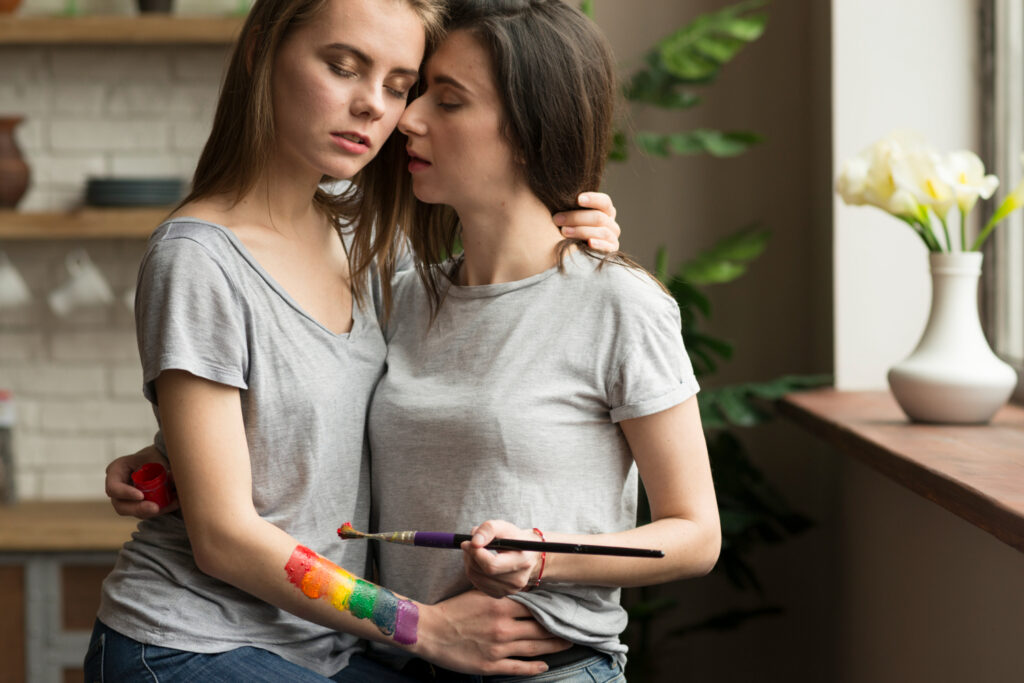
Sex education plays a major role in helping people understand their bodies, relationships, emotions, and safety. But for many years, traditional sex education has failed to give students the full picture. Most school programs focus only on heterosexual relationships, basic biology, and pregnancy prevention. Important topics like consent, gender identity, emotional health, LGBTQ+ relationships, and healthy communication are often ignored.
Today, many students are turning to online sources, inclusive programs, and guidance from a queer sex education expert to learn the information they were never taught in school. These educators are helping people feel seen, informed, and safe while creating conversations that are more honest and realistic.
The truth is simple. Traditional sex education is outdated in many places, and younger generations are demanding something better.
The Biggest Problems With Traditional Sex Education
For decades, sex education has followed the same narrow format. Many schools still teach programs that leave out large groups of people and avoid real-life conversations.
Here are some of the biggest issues.
1. It Focuses Only on Straight Relationships
One of the most common complaints about traditional sex ed is that it mainly talks about heterosexual relationships. LGBTQ+ students are often left out completely.
This creates confusion and isolation. When students never hear about queer relationships, they may feel like their experiences are wrong or invisible.
Inclusive sex education changes this by teaching that different identities and relationships exist naturally. It gives students accurate information that applies to real life, not only one type of relationship.
2. Consent Is Often Poorly Explained
Many older sex education programs talk about physical health but fail to explain consent clearly.
Students need to learn:
- What healthy consent looks like
- How to communicate boundaries
- Why respect matters in relationships
- How to recognize manipulation or pressure
Without these lessons, young people may enter relationships without understanding emotional safety or mutual respect.
Modern queer educators often place consent at the center of every conversation instead of treating it like a side topic.
3. Emotional Health Gets Ignored
Sex education is not only about bodies. Relationships involve emotions, trust, communication, and confidence.
Traditional programs rarely discuss:
- Relationship anxiety
- Self-esteem
- Emotional boundaries
- Mental health
- Breakups and rejection
- Safe communication
This leaves many young people unprepared for real relationship experiences.
Inclusive educators understand that emotional health is part of sexual wellness.
Why Queer Educators Are Changing the Conversation
Queer educators are helping reshape modern sex education by making it more inclusive, honest, and practical. Instead of teaching fear-based lessons, they focus on understanding, respect, and real experiences.
This shift is becoming more visible across social media, workshops, podcasts, and even sources connected to Lifestyle Magazine discussions focused on relationships, identity, and modern wellness topics.
People are responding positively because these conversations feel human and relatable.
They Use Inclusive Language
Inclusive educators avoid making assumptions about gender or sexuality.
Instead of saying:
- “Boyfriend and girlfriend”
They may say:
- “Partner” or “people in relationships”
This small change helps everyone feel included.
They Talk About Real Experiences
Many traditional programs avoid difficult or uncomfortable topics. Queer educators are more likely to discuss:
- Online dating safety
- Gender identity
- Body image
- Sexual orientation
- Toxic relationships
- Pleasure and communication
- STI protection for all relationship types
These topics reflect real situations people experience every day.
They Create Safer Learning Spaces
Students learn better when they do not feel judged.
Queer-inclusive education often encourages:
- Open questions
- Respectful discussion
- Honest conversations
- Shame-free learning
This helps students build confidence and ask important questions without fear.
The Importance of LGBTQ+ Inclusive Sex Education
Inclusive sex education benefits everyone, not only LGBTQ+ students.
Research continues to show that comprehensive sex education improves:
- Communication skills
- Consent awareness
- STI prevention
- Emotional understanding
- Relationship safety
When students receive complete and accurate information, they make healthier decisions.
It also reduces stigma. Young people grow up understanding that different identities and relationships are normal parts of society.
Better Representation Matters
Representation can have a huge emotional impact.
Imagine sitting through years of classes and never hearing anything about people like you. That experience can make students feel excluded or ashamed.
Inclusive sex education helps students feel acknowledged instead of ignored.
Representation also encourages empathy among all students, helping reduce bullying and discrimination.
Common Myths Traditional Sex Ed Still Promotes
Even today, many outdated beliefs continue inside classrooms.
Myth 1: Abstinence-Only Education Works Best
Studies have repeatedly shown that abstinence-only programs are less effective than comprehensive sex education.
Students still need accurate information about:
- Protection
- Consent
- Relationships
- Sexual health
Avoiding these topics does not stop people from becoming curious or sexually active.
Myth 2: LGBTQ+ Topics Are “Too Complicated”
Gender identity and sexual orientation are not confusing when explained clearly and respectfully.
Young people are already exposed to conversations online and in everyday life. Schools should provide factual and safe guidance instead of silence.
Myth 3: Talking About Sex Encourages Risky Behavior
Open education actually helps people make safer decisions.
Students who understand consent, protection, and communication are often more prepared to handle relationships responsibly.
How Schools Can Improve Sex Education
Modern sex education needs to move beyond outdated systems.
Here are some ways schools and communities can improve learning.
Update Educational Materials
Textbooks and classroom examples should include:
- LGBTQ+ relationships
- Different family structures
- Gender-inclusive language
- Modern safety discussions
Train Teachers Properly
Some educators feel uncomfortable teaching these subjects because they were never trained properly themselves.
Schools should provide:
- Inclusive teaching workshops
- Consent education training
- Mental health awareness resources
Encourage Open Discussion
Students should feel safe asking questions without embarrassment.
Anonymous question boxes, group discussions, and digital learning tools can make conversations easier.
Include Mental and Emotional Wellness
Healthy relationships involve more than physical safety.
Students also need guidance about:
- Communication
- Trust
- Emotional boundaries
- Respect
- Conflict resolution
The Role of Social Media and Online Communities
Social media has become a major learning space for younger generations.
Many people now follow:
- LGBTQ+ educators
- Therapists
- Relationship coaches
- Sexual wellness creators
These creators often explain topics in a way that feels easier to understand than traditional classroom lectures.
Platforms like TikTok, YouTube, and podcasts have helped normalize discussions around identity, consent, and mental health.
Of course, not every online source is reliable, which is why trusted educators remain important.
Why Inclusive Education Benefits Society
Inclusive sex education does more than help individual students. It creates healthier communities overall.
People who receive respectful and accurate education are more likely to:
- Respect boundaries
- Build healthy relationships
- Support diversity
- Communicate openly
- Seek help when needed
Education shapes how people view themselves and others. When schools teach inclusion, empathy grows naturally.
Final Thoughts
Traditional sex education has left many important conversations out for far too long. By focusing only on limited ideas about relationships and identity, many programs have failed to prepare students for real life.
Queer educators are helping fix these gaps by creating spaces that are honest, inclusive, and practical. They teach that consent matters, emotions matter, and every person deserves accurate information about relationships and sexual health.
Modern sex education should help people feel informed instead of ashamed. It should reflect the real world, support emotional wellness, and include everyone regardless of identity or orientation.
As more schools, educators, and communities embrace inclusive learning, the future of sex education looks far more supportive, respectful, and effective for the next generation.